The World That Taught Us to Shop
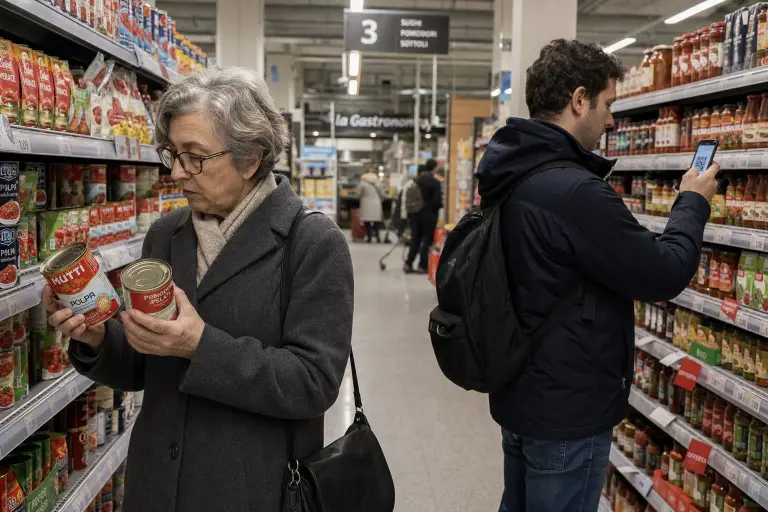
A grandmother stands in a grocery aisle holding two cans of tomatoes. One is the brand she has bought for thirty years. The other is cheaper, brighter, probably fine. Her thumb rests on the familiar label as if it remembers before she does. A few feet away, her grandson scans a QR code, checks reviews, opens a coupon app, and asks an AI assistant whether the store brand has too much sodium. Neither of them thinks this is strange. They are both shopping. But they are not doing the same thing.
One is buying from memory, trust, and a lifetime of knowing that waste can become a household sin. The other is buying through a cloud of data, optimization, warnings, offers, and invisible influence. Between them sits almost a century of American life: war kitchens, department store escalators, mall fountains, QVC voices in the dark, Craigslist meetups, Amazon boxes, TikTok Shop hauls, digital wallets, and refrigerators that may soon reorder milk before anyone notices it is gone.
People do not shop differently because technology changed. They shop differently because the world that raised them changed.
What shopping really carries
Memory. Status. Convenience. Anxiety. Identity. Nostalgia. Routine. Commerce is one of the quietest family languages, and every generation learns it before it ever earns a paycheck.
Shopping is never just shopping
Every generation learns what buying means before it ever earns a paycheck.
A child watches whether parents save foil or toss it. Whether coupons are clipped at the kitchen table. Whether the mall is a reward, a social stage, or a place to avoid. Whether a package on the porch means pleasure, guilt, or trouble with the credit card bill. Whether a brand is trusted because it lasted, or distrusted because it advertised too hard.
Commerce teaches scarcity or abundance, caution or appetite, loyalty or suspicion. It teaches whether waiting is normal. It teaches whether new things are exciting or dangerous.
That is why the same object can mean different things to different ages. A Costco membership can feel like prudence, status, family logistics, or a Sunday ritual. A Shein cart can feel like creativity, overconsumption, affordability, or algorithmic surrender. A paper coupon can feel humiliating to one person and victorious to another. A subscription box can feel like delight until the fifth forgotten charge makes it feel like a leak in the wall.
To understand modern shopping, you have to walk through the lives that shaped it.
The Greatest Generation: buying as protection
For the Greatest Generation, shopping was not entertainment first. It was provision.
They were raised in the shadow of the Great Depression and formed by World War II, ration books, victory gardens, repaired shoes, reused jars, and the moral pressure not to waste. Buying something carried weight because things had weight. Food, fuel, fabric, metal: these were not abstract categories. They were measured, stretched, saved.
This is the generation that could look at a pantry and see security. A full cupboard was not clutter. It was a buffer against humiliation and fear. A reliable brand mattered because failure was expensive. If a washing machine lasted twenty years, it became more than an appliance. It became proof of good judgment.
Their shopping habits often look old-fashioned now: keeping receipts, comparing unit prices, buying practical goods, returning to familiar stores, mistrusting unnecessary novelty. But this was not a lack of imagination. It was memory made into behavior.
Catalog shopping fit this world beautifully. A Sears catalog could sit in a home like a democratic promise: pages of tools, dresses, radios, curtains, school clothes, and impossible wants made orderly. The catalog did not rush anyone. It allowed consideration. It made abundance visible, but still distant enough to require thought.
For this generation, the fear was losing security. So shopping became a way to defend against uncertainty.
The Silent Generation: respectability, restraint, and the clerk who knew your name
The Silent Generation inherited scarcity but came of age into rebuilding. They understood caution, but they also saw the rise of a more stable middle-class consumer life: neighborhood grocers, downtown department stores, appliance showrooms, and brands that promised order.
They often trusted institutions more than later generations would. Banks, stores, manufacturers, and local merchants carried authority. A clerk's recommendation mattered because commerce still had a human face. The person behind the counter might know your family, your size, your preferences, and your reputation.
Shopping was tied to respectability. You dressed to go downtown. You bought furniture to last. You kept things nice. Department store Saturdays were not just errands; they were public life. Elevators, perfume counters, shoe departments, lunch counters, holiday windows. The store staged aspiration without making it feel entirely out of reach.
What mattered
Durability, propriety, family stability, and the sense that a purchase should hold its shape in public and at home.
What changed
Television brought brands into the living room, making familiarity possible before the first touch.
What they feared
Losing dignity. Shopping was a way to maintain a life that looked stable, decent, and prepared.
Still, restraint lingered. The Silent Generation knew that wanting too much could look careless. They bought for durability, propriety, and family stability. Loyalty was not gamified yet. It was relational, habitual, and sometimes geographic. You went where you had always gone because trust was built by repetition.
Baby Boomers: abundance becomes a promise
Baby Boomers grew up as America learned to sell abundance as a national mood.
Suburbs expanded. Highways widened. Shopping centers followed families outward. Refrigerators got bigger. Cars got longer. Pantries held more colors, more boxes, more convenience. If older generations learned that enough was a blessing, Boomers were taught that more could be progress.
Brand loyalty flourished because brands were everywhere at once: on television, in magazines, on billboards, in jingles, on cereal boxes. Tide, Ford, Coca-Cola, Levi's, Kraft, Maytag. The brand was not just a product marker. It was a cultural companion. It appeared in the shared media environment that knitted people together.
Boomer shopping had a strong social quality. The department store remained important, but the mall became a climate-controlled expression of the American dream. It had fountains, food courts, music stores, photo booths, and teenagers orbiting in packs. For adults, it offered choice and comfort. For younger Boomers and their children, it offered identity.
They also lived through the rise of televised selling. QVC and infomercials created a new intimacy: the friendly host, the demonstration, the limited-time offer, the miracle knife, the exercise machine, the collectible plate. It was commerce with a voice. You could sit on a sofa at midnight and feel addressed.
Black Friday, too, became a kind of consumer theater. What began as post-Thanksgiving retail momentum turned into a ritual of doorbusters, circulars, early lines, family strategies, and the strange American sport of waking before dawn to save money by spending it.
Boomers were not simply materialistic, as lazy caricatures suggest. Many were buying the visible signs of arrival after being raised by parents who knew deprivation. A house, a car, a stocked kitchen, a good suit, a name-brand television: these were not just purchases. They were proof that the long national climb had meant something.
Their fear was losing status or momentum. Shopping offered evidence that life was improving.
Generation X: the latchkey shopper and the birth of suspicion
Generation X grew up in a noisier, more corporate, more fractured consumer culture.
They were children of rising divorce rates, dual-income households, cable television, microwave dinners, video rentals, and malls as after-school habitats. Many learned independence early. They had keys around their necks, frozen snacks in the freezer, and a deep familiarity with advertising that tried too hard.
This generation watched brands become bigger, slicker, and more self-aware. They also watched institutions lose shine: corporate layoffs, political scandals, environmental disasters, recession anxiety. The result was a kind of consumer skepticism. Gen X did not necessarily reject shopping. They just distrusted being sold to.
Gen X shopping instinct
Find the deal, read the fine print, do not be a sucker.
They became value-driven in a specific way. Not always cheapest, not always premium, but worth it. They liked research before buying, but their research often happened through Consumer Reports, word of mouth, catalogs, specialty magazines, early online forums, and later Amazon reviews. They wanted proof.
The mall was their living room. Music stores, arcades, sneaker shops, Spencer's, Gap, Sam Goody, Orange Julius. It was where identity could be tried on without adult supervision. But because they saw the machinery of cool up close, they also developed a sharp radar for phoniness.
Gen X helped normalize secondhand pragmatism before resale culture became aesthetic. Yard sales, thrift stores, pawn shops, classifieds, and eventually Craigslist all fit their comfort with improvisation. Craigslist in particular carried the Gen X spirit: ugly design, minimal trust infrastructure, direct negotiation, cash, pickup, maybe a weird lamp in someone's garage.
Their fear was being manipulated or abandoned. Shopping became a practice of self-reliance.
Millennials: the generation that walked from mall to mobile
Millennials may be the most transitional shoppers in modern history.
They remember physical retail as childhood atmosphere: Blockbuster on Friday, mall trips, back-to-school aisles, toy catalogs, CD racks, food court freedom. Then they watched the internet swallow the map. Stores became websites. Websites became apps. Apps became habits. The checkout line became a thumbprint.
They came of age during 9/11, the Great Recession, student debt expansion, unstable housing markets, and the gig economy. They were told to dream big, personalize everything, build a brand, follow passion, optimize life. Then many discovered that adulthood cost more than advertised.
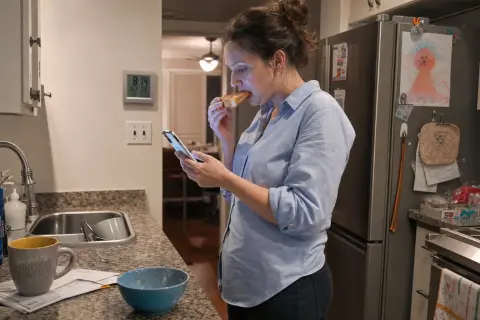
This is why Millennial shopping often combines convenience with anxiety. They embraced Amazon Prime not only because it was fast, but because it reduced friction in lives already overloaded. One-click ordering felt like mercy. Grocery pickup felt like a small rescue. Meal kits, subscription razors, streaming bundles, digital wallets, and Uber Eats all promised to remove errands from the day.
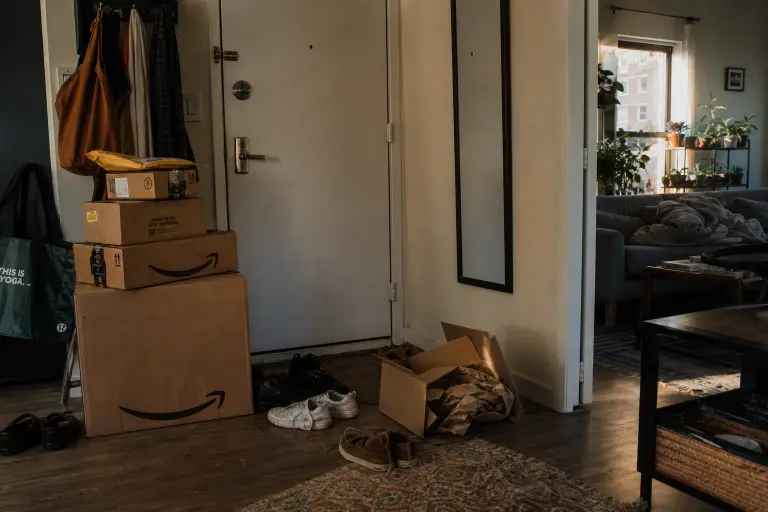
But the convenience carried a quiet unease. Subscription everything made life smoother until every month became a pile of tiny automatic withdrawals. Buy Now Pay Later made purchases feel manageable until future paychecks were already crowded. Minimalism, capsule wardrobes, and decluttering movements gained traction partly because Millennials were drowning in both stuff and decisions.
They also made research into a lifestyle. Before booking a hotel, buying a stroller, choosing a mattress, or trying a moisturizer, they read reviews, watched videos, compared options, searched Reddit threads, and asked group chats. The old question was, Is this a good product? The Millennial question became, What does the internet think, and can I trust the people saying it?
They were early adopters of resale as both ethics and economics. Thrifting, Poshmark, Depop, Facebook Marketplace, and vintage furniture hunting offered a way to be stylish, sustainable, and budget-aware at once. Not buying new could feel like taste.
Their fear was losing time and financial footing. Shopping became a negotiation between aspiration and exhaustion.
Generation Z: identity inside the algorithm
Gen Z did not enter digital life. Digital life was already there, lit up, watching, recommending.
They grew up with smartphones, social feeds, algorithmic entertainment, climate anxiety, school lockdown drills, pandemic disruption, and a permanent awareness that images circulate. For them, shopping is rarely separate from content. A product appears inside a joke, a tutorial, a get-ready-with-me video, a haul, a creator's apartment, a microtrend, a livestream, a comment section.
They often trust creators more than brands because creators feel socially legible. A brand says, Buy this. A creator says, I tried this, here is the texture, here is the dupe, here is what not to waste money on. Of course creators are also part of the selling machine, but the performance of honesty matters. Gen Z knows ads are everywhere, so they look for ads that admit their own existence.
Why TikTok Shop works
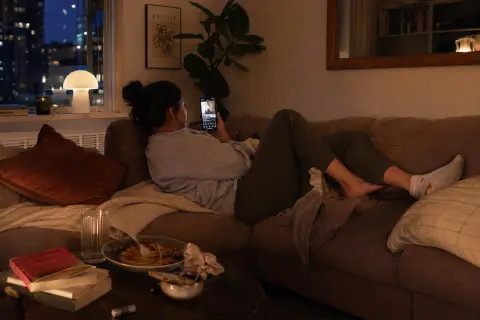
It collapses discovery, entertainment, social proof, and checkout into one motion. The product is not searched for. It finds you while you are bored, lonely, curious, or avoiding sleep.
What changed about impulse
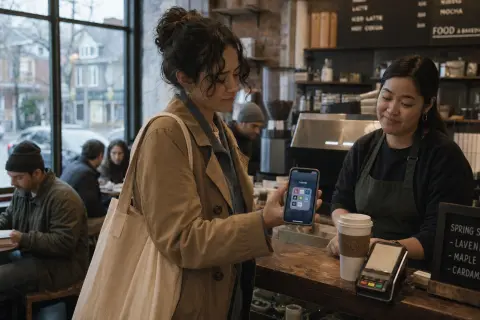
The register is everywhere. Digital wallets, stored addresses, and Buy Now Pay Later remove most of the distance between wanting and buying.
This helps explain the explosion of impulse buying. Impulse used to require passing a display near a register. Now the register is everywhere. The moment of desire and the moment of purchase have almost no space between them. Digital wallets remove the card. Stored addresses remove the form. Buy Now Pay Later removes the full price from the present tense.
Gen Z is not simply careless. Many are intensely price-aware. They compare dupes, hunt discounts, use resale platforms, thrift creatively, and challenge brand claims in real time. They are drawn to Temu and Shein-style ultra-fast commerce not only because of trendiness, but because economic pressure meets algorithmic novelty. When rent, tuition, and basic security feel distant, a cheap rotating wardrobe can offer control, expression, and a small hit of transformation.
At the same time, Gen Z is part of the pushback. Digital minimalism, de-influencing videos, underconsumption trends, repair culture, and secondhand pride show a generation trying to escape the very systems that shaped it. They know the feed is manipulating them. They also keep scrolling.
Their fear is losing identity and attention. Shopping becomes a way to signal, experiment, belong, resist, and be seen.
Generation Alpha: when shopping becomes background entertainment
Generation Alpha is still young, but the outline is visible.
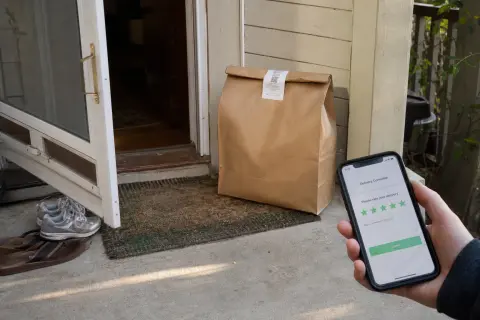
They are growing up with voice assistants, tablets, Roblox worlds, YouTube creators, smart speakers, grocery delivery, parent-controlled subscriptions, and homes where packages arrive so often they feel like weather. Many know the sound of a delivery notification before they understand money.
For Alpha, the separation between entertainment, identity, and shopping may feel artificial. A game skin, a plush toy, a creator's merch drop, a snack from a video, a virtual accessory, and a real backpack may exist in the same emotional category: things that extend the self into a social world.
They may not think of stores as the default place where shopping happens. Stores will still matter, especially for food, community, discovery, and tactile pleasure. But the store will compete with the screen, the game, the classroom device, the streaming room, and the home assistant.
Parents already shape Alpha's consumer experience through convenience systems. Grocery pickup means a child may rarely wander aisles learning brands by sight. DoorDash and Uber Eats normalize food as summoned. Amazon Prime makes waiting seem like a system error. Costco culture teaches another lesson: abundance as family infrastructure, the giant cart as household planning, the bulk snack as love language.
Alpha may inherit both extreme personalization and extreme parental anxiety. Their products will be filtered by safety reviews, screen-time debates, subscription controls, environmental claims, and social status inside digital spaces. They will learn early that identity can be customized, purchased, updated, and displayed.
Generation Beta: when AI buys before the want becomes conscious
Generation Beta, the children of the late 2020s and beyond, may grow up in a world where shopping is less an action than an infrastructure.
This does not require flying cars or silver jumpsuits. It only requires today's habits to continue.
AI assistants already recommend, compare, summarize, and reorder. Smart homes already track usage. Retailers already predict demand. Payment systems already hide money behind taps, faces, and stored credentials. Advertising already targets mood, identity, and micro-behavior. The next step is not dramatic. It is quiet.
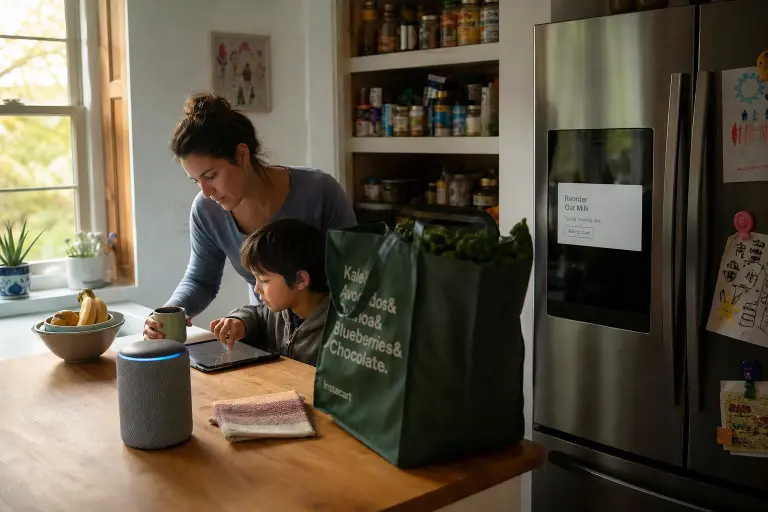
A Beta household in 2070 may not run out of detergent unless someone chooses to. The home may know consumption patterns and reorder basics automatically. A child's school supplies may arrive based on curriculum updates. Clothing may be suggested by weather, growth data, family budget, social calendar, and personal style history. Food may be replenished according to health goals, cultural preferences, allergies, carbon impact, and what everyone actually ate last week.
Shopping will not disappear. It will become unevenly visible.
For necessities, AI may handle the boring parts. For identity, humans may still want drama: the thrill of choosing, the pleasure of browsing, the status of taste. But even taste will be shaped by predictive systems. Storefronts may be hyper-personalized, so two people entering the same retail platform see entirely different worlds. Ambient commerce may respond to voice, gesture, routine, or emotion. A tired parent may not search for dinner options; the system may sense the pattern and offer three likely choices before hunger becomes a complaint.
The unsettling part is not that AI will buy things. It is that it may narrow desire in the name of convenience.
If every offer is perfectly timed, if every product is pre-filtered, if every need is anticipated, then shopping may lose friction but also surprise. Shared culture could thin out. Fewer people may see the same shelves, the same holiday windows, the same odd object that nobody needed but everyone remembers. Personalization may protect us from irrelevant choices while isolating us from common ones.
Generation Beta's fear may be losing certainty in a world too complex to manage manually. They may outsource decisions not because they are lazy, but because life has become too data-heavy to navigate alone.
Why older generations still prefer physical stores
Physical stores offer something algorithms struggle to replace: embodied trust.
Older shoppers often prefer stores because they can touch the fabric, inspect the fruit, speak to a person, compare sizes with their own eyes, and leave with the item in hand. The store confirms reality. It reduces the risk of being tricked by a photo, a fake review, a confusing return policy, or a subscription hidden in small print.
But physical stores are not only practical. They are emotional architecture. The aisle, the clerk, the receipt, the bag, the parking lot: these create a beginning and end. Modern online shopping often has no clear ending. The cart remains. The recommendations continue. The return label waits.
Why self-checkout became a story, not just a system
It is not only about scanning bananas. It is about people feeling that retailers removed service while keeping the expectation of obedience. For generations raised on human commerce, being made into unpaid checkout labor can feel like a broken social contract.
This is one reason self-checkout backlash matters culturally.
Why younger generations care more about speed than ownership
Younger shoppers grew up in systems where access often mattered more than possession.
Streaming replaced shelves of DVDs. Ride-hailing reduced the symbolism of car ownership in some cities. Cloud storage replaced photo albums. Subscriptions replaced buying software, music, razors, workouts, pet food, and coffee. Speed became a form of comfort because delay became unfamiliar.
This does not mean younger generations do not value objects. They often value very specific objects intensely: sneakers, vinyl records, vintage jackets, gaming setups, beauty products, collectibles, books, home decor. But ownership has become more selective. Everyday needs are expected to move quickly and invisibly so identity purchases can carry more emotional charge.
The disappearance of waiting changed desire. Waiting used to build anticipation and sometimes restraint. Now wanting can become buying before doubt has time to arrive.
Why loyalty programs replaced genuine loyalty
Old loyalty was simple: a family bought the same brand because it worked, because a parent used it, because the store was nearby, because switching felt risky.
Modern loyalty is more contractual. Points, tiers, perks, exclusive drops, member pricing, birthday rewards, app-only coupons. Loyalty had to be engineered because shoppers became more informed, more mobile, more skeptical, and more overwhelmed.
A loyalty program is not proof of love. It is often proof that love became too hard to rely on.
Brands now compete not only on quality, but on habit formation. They want the app installed, the payment saved, the notification allowed, the subscription activated. In a crowded marketplace, loyalty is less a feeling than a system of tiny frictions preventing departure.
Why frictionless shopping can feel emotionally empty
Convenience solved real problems. It helped exhausted parents, disabled shoppers, rural households, overworked caregivers, people without cars, people with limited time, and anyone who has ever stared at an empty fridge at 8 p.m. and felt defeated.
But friction also gave shopping texture. A store trip could become a walk, a conversation, a chance encounter, a small act of choosing with the senses. A catalog page could be circled and revisited. A mall trip could become teenage memory. Even coupon clipping had ritual: scissors, newspaper ink, the satisfaction of saving.
Frictionless commerce removes inconvenience, but it can also remove ceremony.
That is why modern shopping sometimes feels strangely hollow. The package arrives, the box opens, the feeling fades. The algorithm offers the next thing. Abundance does not always create appreciation. Sometimes it creates a faster appetite.
Common questions about how generations shop
What shopping reveals when you stop laughing at the cart
It is easy to mock every generation's habits.
The Greatest Generation saves containers nobody asked them to save. The Silent Generation keeps receipts in envelopes. Boomers love a trusted brand and a good warehouse deal. Gen X reads the reviews like someone is trying to get away with something. Millennials subscribe, unsubscribe, resubscribe, and then make a spreadsheet. Gen Z buys from a creator at midnight and posts a de-influencing video the next week. Alpha may want a hoodie because a game character wore something like it. Beta may never know who chose the toothpaste.
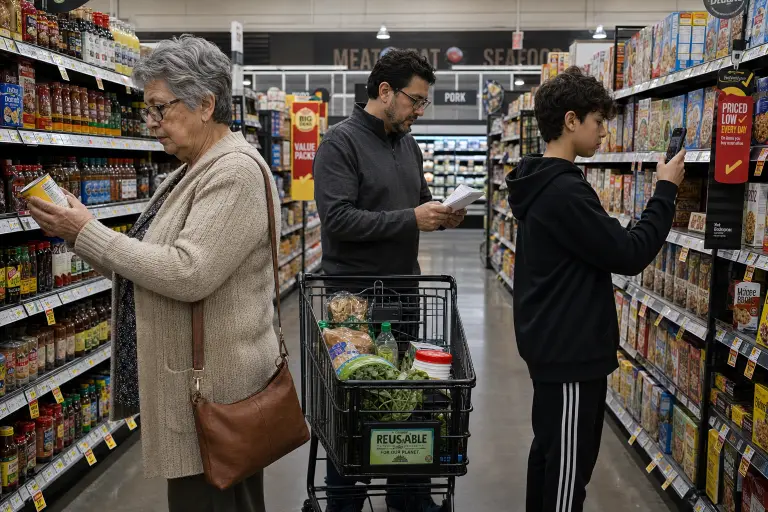
But beneath the comedy is a record of adaptation.
Each generation shops according to what it feared losing most. Security. Dignity. Status. Independence. Time. Identity. Connection. Certainty.
The movement of modern commerce is not simply from stores to screens or cash to digital wallets. It is from necessity to comfort, from comfort to identity, from identity to prediction. We began by buying what kept us alive. Then we bought what made life easier. Then what made us recognizable to ourselves and others. Soon, we may let systems buy what they believe we will need before we feel the need clearly.
Maybe that will free us. Maybe it will flatten us. Most likely, it will do both.
A person in 2070 may look back at our one-click orders and TikTok carts the way we look at catalog pages and coupon drawers: quaint, revealing, a little irrational, deeply human. They may wonder why we spent so much time choosing. They may also envy the choosing.
Because shopping, at its best, has never been only about acquisition. It has been about hope under constraint. It has been about imagining a slightly better version of the afternoon, the kitchen, the body, the family, the self.
The object was never just the object.
It was the world that taught us how to want it.