The Loneliest Errand Is the One That Works Perfectly
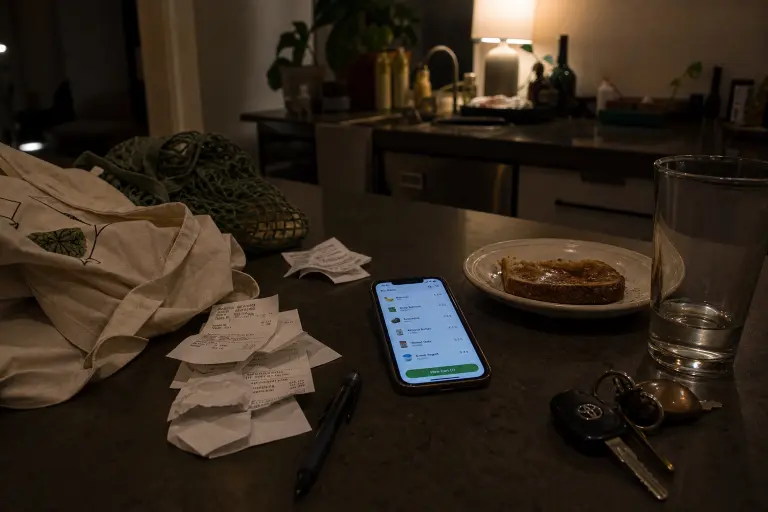
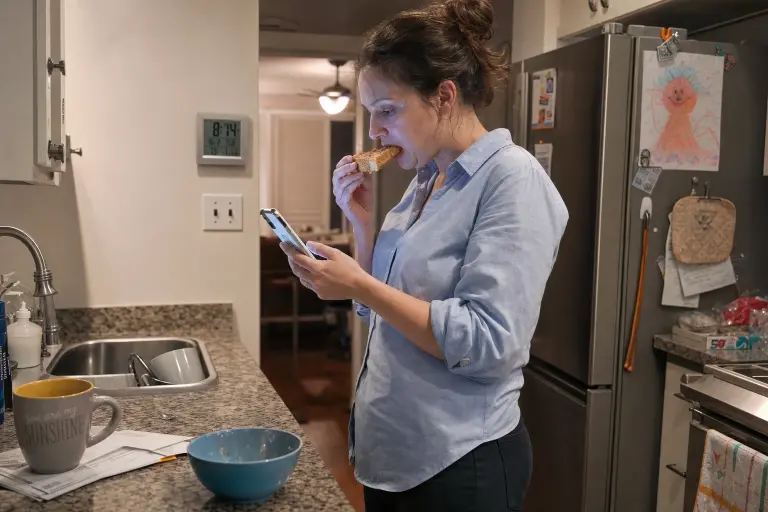
A woman stands in her kitchen at 8:14 p.m., still wearing her work shirt, tapping through a grocery app with one hand while eating toast over the sink with the other. Bananas, oat milk, detergent, chicken thighs, yogurt for the child who only eats one brand. The app remembers. The app suggests. The app removes the small burden of deciding where to go, when to leave, whether the store will be crowded, whether she will have the energy to make one more stop.
Tomorrow morning, someone she will never meet will walk the aisles for her.
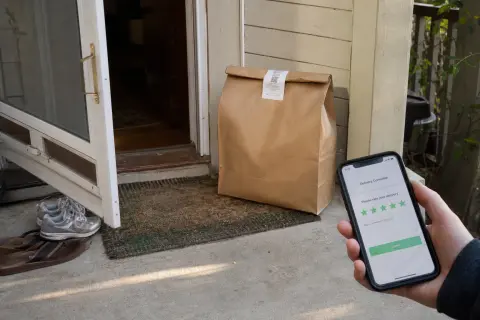
By noon, the groceries will be on her porch. Her phone will buzz. The transaction will be complete.
Nothing about this is strange anymore.
That may be the strange part.
Why does convenience feel like relief and loss at the same time?
Modern shopping has become astonishingly good at removing friction. The line, the parking lot, the small talk, the unavailable size, the awkward moment of asking where something is, the tired child at checkout, the impulse purchase, the second store, the unexpected conversation. Much of daily life can now be handled through taps, saved preferences, subscription replenishment, curbside pickup, same-day shipping, QR code ordering, and algorithmic suggestions that know what we tend to buy before we have fully noticed the pattern ourselves.
For many people, this is not a tragedy. It is survival.
Convenience solved real problems
- A busy parent can buy diapers at midnight.
- An elderly shopper can avoid a long walk through a large store.
- A disabled person can get access to goods that once required exhausting planning.
- Someone with social anxiety can avoid the small public performances others barely notice.
- Workers with unpredictable schedules can reclaim an hour from errands that used to consume an afternoon.
The store became a system, not a place
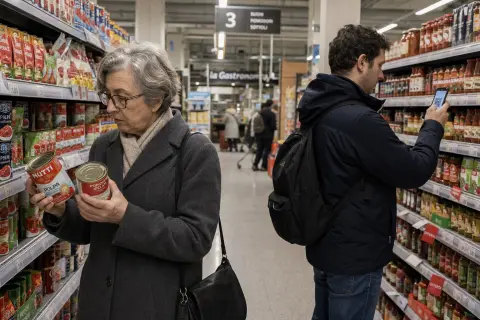
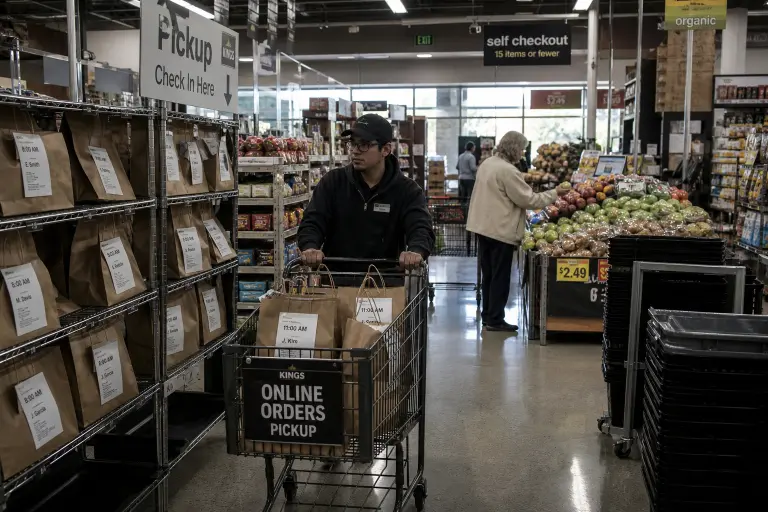
Walk through some stores today and you can feel the split personality of retail. Part of the store is still arranged for shoppers who browse, compare, touch fabric, read labels, wander with coffee, and change their minds. Another part is arranged for speed and extraction: pickup shelves, locked cabinets, delivery staging areas, employees pushing carts filled not for themselves but for invisible app customers waiting elsewhere.
The aisles are full, but not always social.
A person in a store uniform may be working for the store, or fulfilling an online order, or timing a route measured by handheld device. A shopper may be shopping for a family dinner, or scanning substitutions for a stranger through an app. The store looks public, yet much of its energy has become logistical.
The thousand improvements
Amazon one-click ordering, pickup systems from Walmart and Target, Instacart, QR code menus, self-checkout, cashier-less stores. Each made sense on its own.
The old world was not warm by default
Clerks could be rude. Customers could be cruel. Women could be watched. Teenagers could be followed. Poor customers could be made to feel poor in public.
What changed anyway
Friction did not disappear. It was reorganized out of sight, into software, logistics, and systems that ask less of the person with the basket.
The cost is subtle
The best-designed transaction is often the one that requires no one to speak. That is efficient. It is also how places go quiet.
When did errands stop being shared rituals?
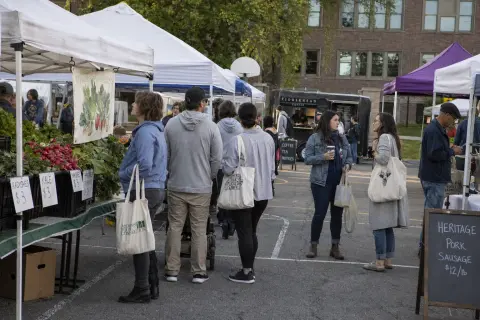
For many families, weekend errands once had a shape. Not always a beloved shape, but a recognizable one. The hardware store, the grocery store, maybe the mall, maybe the video store on the way home. Children learned the geography of adult life from the back seat. They watched parents talk to clerks, compare prices, return items, ask for advice, complain about lines, run into neighbors, decide what could wait until next week.
The errand was a chore, but also a stage.
These moments were not always meaningful when they happened. That is partly why they mattered. They did not ask to be meaningful. They accumulated.
At a local hardware store, an employee could explain why a pipe fitting mattered. At a bookstore, adults lingered without a clear plan. At a neighborhood convenience store, trust operated in tiny ways: put it on the tab, tell your mother I said hello, take a penny if you need one. At the video rental store, choosing a movie meant negotiation, memory, appetite, and compromise.
The rise of the silent day
There is a new kind of day that would have been unusual for most people not long ago: a fully functional day with almost no unscheduled human contact.
Work happens remotely through messages and video boxes. Lunch arrives at the door. Groceries are delivered. A prescription is refilled automatically. A package comes from a warehouse. Dinner is ordered through a restaurant app. A show is recommended by a streaming service. A payment clears through a digital wallet. The doorbell camera records the delivery driver walking away.
Nothing has gone wrong.
In fact, everything has worked.
A quiet tradeoff
Somewhere, people picked, packed, drove, stocked, coded, sorted, cooked, and carried. But to the recipient, the day may feel like a sequence of notifications. This is one of the side effects of frictionless commerce: it does not make people alone by itself, but it can remove the casual contact that once came bundled with necessity.
The barista who knows your drink is not your best friend. But being known in small ways can still matter.
Why do people choose isolation when they do not want to be lonely?
Because isolation often arrives disguised as control.
Control over time. Control over exposure. Control over spending. Control over mood. Control over the risk of being judged. Control over children melting down in public. Control over a body that hurts. Control over a brain that is tired.
A parent using grocery pickup is not rejecting community. They may be choosing peace. A socially anxious person using self-checkout is not voting against civilization. They may be reducing panic. Someone ordering household basics through subscription replenishment is not declaring affection for algorithms. They may simply be out of energy.
The honest defense of convenience
Modern life asks people to optimize themselves constantly. Sleep better, eat better, work harder, respond faster, parent more attentively, compare prices, manage passwords, watch expenses, maintain health, keep up with messages, remember forms, scan codes, track deliveries, be reachable. In that context, convenience is not laziness. It is a coping mechanism.
What happens when coping becomes architecture?
The trouble is that coping mechanisms can become architecture. What begins as an option becomes the default. Then the default reshapes expectations. A child who grows up with delivery-first habits may not think of a store as a place to explore, only as a local extension of an app. A teenager may know how to compare reviews from strangers online but feel uncertain asking a store employee for help. A household may receive everything it needs and still feel vaguely unmoored from the neighborhood around it.
The loss is not dramatic. That is why it is easy to miss.
It sounds like fewer conversations with strangers. Fewer faces recognized. Fewer reasons to stand next to someone and wait. Fewer shared annoyances. Fewer overheard jokes. Fewer chances to be helped by someone who did not have to care but did.
The hidden comfort of weak ties
Sociologists have long understood the importance of weak ties: acquaintances, neighbors, clerks, other parents, dog walkers, bus riders, and familiar strangers who are not close friends but help us feel embedded in the world.
Commerce used to generate weak ties almost accidentally. The cashier who noticed you had been away. The bookstore employee who remembered your genre. The deli worker who knew your lunch order. The mall security guard who recognized the same group of teenagers.
These exchanges could be nosy, sweet, annoying, comforting, or all at once. They created a mild accountability to place. You were not anonymous everywhere. Now anonymity is often sold as a feature. No waiting. No talking. No judgment. No need to explain.
Being watched is not the same as being known. Modern consumers are watched constantly by systems: tracked, scored, segmented, recommended to, retargeted. Yet many are less known by people in their immediate physical world.
What will shopping look like 40 years from now?
By the 2060s or 2070s, many ordinary purchases may no longer feel like purchases at all.
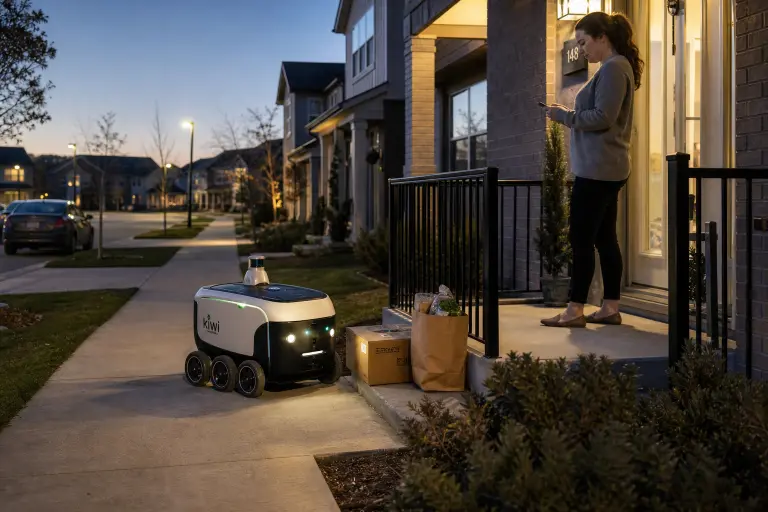
Homes could monitor supplies and replenish basics automatically. Not just smart speakers reminding people to buy paper towels, but integrated household systems that track food spoilage, medication levels, cleaning products, pet supplies, and clothing wear. AI shopping assistants may negotiate price, compare ethics ratings, avoid allergens, select substitutions, and time deliveries around weather, traffic, and household schedules. Drones and autonomous vehicles may handle much of the last mile.
A person might go weeks without physically buying anything.
That future will help many people. It could reduce food deserts if distribution is handled well. It could support elderly people living independently. It could make shopping easier for people with mobility challenges. It could reduce waste by predicting need more accurately. It could free hours from lives already stretched thin.
Can convenience and connection coexist?
They can, but not by accident.
If the last 25 years were about removing friction, the next 25 may need to ask which kinds of friction are worth keeping. Not every line is sacred. Not every cashier interaction is meaningful. No one should have to endure inaccessible stores, limited inventory, or forced small talk to prove they are part of a community.
But perhaps some forms of friction are not merely obstacles. Waiting can become conversation. Asking can become trust. Browsing can become discovery. Repetition can become recognition. A store can be more than a delivery endpoint if it leaves room for people to linger without feeling like inefficiencies in the system.
Slow commerce
Human-only stores may become premium experiences, not because they are efficient, but because they are inefficient in a way people miss. A bakery where someone talks to you. A bookstore with staff picks written by hand. A repair shop where advice comes with a story.
Physical shopping may turn recreational again, less necessary and more chosen. Younger generations may romanticize early malls, diners, arcades, record shops, bookstores, and even video rental stores with the same ache older generations now bring to them. Not because those places were perfect, but because they offered something the automated world made scarce: shared time in public without needing to justify it.
The future may not divide between technology and humanity. It may divide between transactions that are meant to disappear and experiences that are meant to be remembered.
The small future we choose every day
The woman in the kitchen who orders groceries at night is not wrong. She is tired. The app helps. The delivery gives her back an hour she may spend reading to her child, calling her sister, sleeping, or simply sitting in silence. That matters.
But somewhere in the bargain, a world of tiny encounters thins out. The produce clerk does not see her child grow. The cashier does not ask whether she found the birthday candles. The older man in the cereal aisle does not make a joke about prices. The store does not become familiar through repetition. Her neighborhood continues to function around her, but not necessarily with her.
Modern convenience did not destroy community in a single dramatic act. It simply made it easier to avoid the places where community used to happen by accident.