
The Frictionless Trap
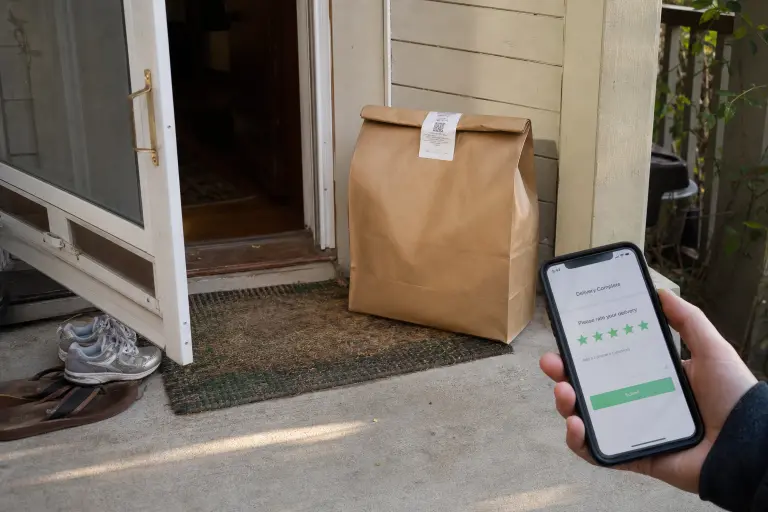
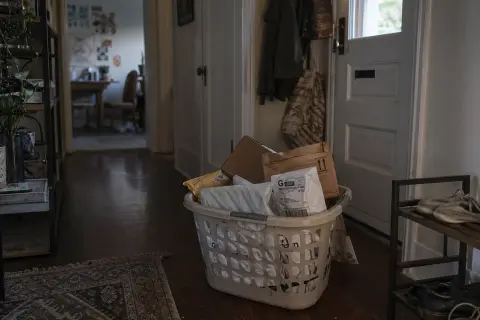
The doorbell rings before anyone has had time to want anything. A paper bag sits on the porch, still warm from the car, full of groceries the household did not choose aisle by aisle. The driver is already gone. The app asks for a rating. Nothing about this is strange anymore. That is the strange part.
Same-day delivery, mobile payments, one-click buying, streaming, ride-hailing, auto-replenishment: each removed some small irritation from ordinary life. Each solved a real problem. And yet, after years of sanding away inconvenience, a quieter question has started to appear in the space where waiting used to be.
If we remove every point of friction from daily life, what else disappears with it?
This is not an argument against convenience. Nobody needs to romanticize standing in a bank line for an hour, driving across town to compare refrigerator prices, mailing checks, or calling three stores to ask whether they have a winter coat in the right size. Much of the friction of older life was waste, exclusion, bad design, or simple exhaustion.
The real shift
We spent decades asking how to make buying faster, easier, smoother, more personalized, and less interruptive. We succeeded beyond what earlier generations could have imagined. Now we are discovering that not all friction was the same.
Some friction delayed us. Some protected us. Some annoyed us. Some gave us stories. Some made us talk to people. Some helped us know what we wanted. Some made ownership feel earned.
The problem is not that convenience won. The problem is that convenience won so completely that we forgot to ask what every inconvenience was doing.
Why did shopping used to feel like an outing?
Before shopping became a stream of suggestions, it was often a place you went. Department stores were not only places to buy towels, shoes, perfume, cookware, school clothes, and winter coats. They were weather-controlled theaters of wanting.
Elevators opened onto floors that smelled different. Cosmetics glowed under glass. Suit racks stood like quiet neighborhoods. Someone played piano near the holidays. A child could get bored, hungry, overstimulated, fascinated, and exhausted in the same afternoon.
Catalogs had a different rhythm. They arrived heavy and full of possibility, especially before Christmas. Children circled toys with pens. Parents folded corners. The order form felt official. Then came the wait. Two weeks. Four weeks. Sometimes longer.
A package arriving at the door was not a notification outcome. It was an event.
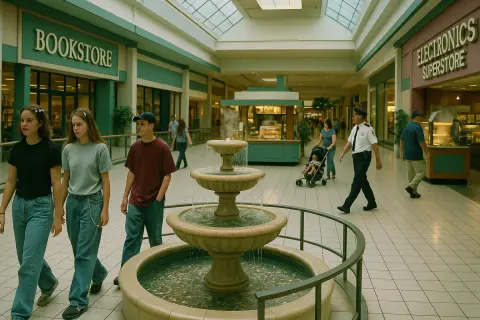
Malls turned shopping into a social map. Teenagers went with little money and a lot of time. Families made Saturdays around them. A purchase might be the reason for the trip, but it was rarely the whole memory. There were food courts, arcade tokens, dressing room opinions, arguments over budget, escalators, fountains, and the feeling of being somewhere other people had also chosen to be.
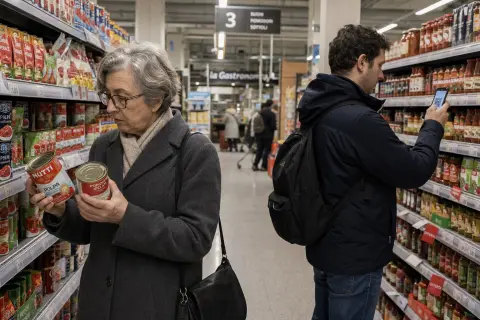
Even errands had their own texture. You might visit a hardware store and ask a clerk what kind of screw you needed. You might drive to three record shops looking for an album. You might save for months to buy a bicycle, stereo, first car, gaming console, or leather jacket. You might know the exact shelf where something should be and feel a small victory when you found it.
What friction used to give
Waiting. Searching. Comparing. Asking. Returning. These were not always good experiences, but they created time around desire.
What convenience removed
Waste, frustration, inaccessible systems, limited hours, and the exhaustion of ordinary tasks for people who could least afford them.
What we stopped noticing
That some inconvenience protected memory, social contact, patience, and the feeling that ownership had been earned.
There was waste in this. There was frustration. There were limited hours, limited inventory, inaccessible locations, and salespeople who could be indifferent, intrusive, or wrong. People without cars, time, money, or mobility often paid the highest price for friction.
So we built systems to remove it.
How convenience became the default
Amazon one-click purchasing turned hesitation into a design problem. Instacart made grocery aisles optional. DoorDash brought restaurants into bedrooms, offices, and late-night kitchens. Uber reduced the uncertainty of transportation. Streaming replaced shelves of DVDs and CDs with libraries that never closed. Digital wallets removed the small ceremony of cash.
Buy Now, Pay Later softened the boundary between wanting and owning. Subscriptions made everything from razors to pet food appear on schedule, often before the buyer had to remember the need.
Each step made sense. Together, they changed the emotional shape of everyday life.
The friction did not vanish. It became cognitive.
What did friction quietly teach us?
Waiting is easy to mock until it disappears.
For most of consumer history, desire had a distance built into it. You saw something, wanted it, thought about it, compared it, saved for it, asked someone about it, returned to it, maybe abandoned it, maybe chose it. That distance did not always make the final choice wiser, but it gave the mind time to form a relationship with the object.
Anticipation used to be part of the gift
A child waiting weeks for a catalog toy did more than wait. They imagined. They pictured Christmas morning. They talked about it. They changed their mind, then changed it back. An adult saving for a stereo or first car experienced a different kind of friction. By the time the object arrived, it had already lived in the buyer's mind for months.
Even inconvenience could create attachment
A rare album found after visiting five shops carried the memory of the search. A couch bought after a long day of sitting on terrible couches became part of a household story. A dress discovered by accident while shopping with friends held not only fabric and fit, but weather, laughter, lunch, someone saying, Try it on anyway.
Modern commerce is better at delivering the object than preserving the journey around it.
That is not always a loss. Sometimes the journey was boring, unfair, or unnecessary. No one needs a meaningful relationship with printer paper or dishwasher detergent. Auto-replenishment can be a mercy. The right kind of frictionless system gives people time back for things that matter more.
But when every category is treated like printer paper, something flattens. We begin to receive without noticing, choose without remembering, and replace without grieving.
Why do endless options make people tired?
The promise of digital shopping was abundance. If the local store had three coffee makers, the internet had three thousand. If the mall had a few shoe brands, online search had every color, width, review, price history, and influencer comparison. More choice seemed obviously better.
Then people started freezing in front of it.
Anyone who has opened a streaming app and spent forty minutes browsing before watching nothing knows the feeling. The content is there. The access is there. The problem is not scarcity. It is the burden of deciding inside abundance.
Shopping now creates the same fatigue. A search for a desk lamp becomes a small research project. There are ratings to interpret, sponsored placements to distrust, review photos to scan, return policies to compare, videos to watch, dupes to consider, and price drops to anticipate. The buyer is technically empowered and quietly exhausted.
The modern tax
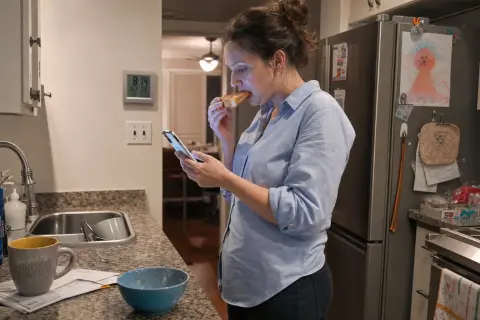
Instead of deciding whether to go to the store, we decide which app to trust. Instead of asking a clerk, we evaluate a recommendation engine. Instead of comparing three products in person, we compare hundreds through a glowing rectangle while half-watching television.
This is the paradox of choice without the textbook language. People like options until options become labor. They want personalization until personalization starts to feel like being followed. They want the best deal until deal-hunting consumes the pleasure of buying. They want fast checkout until fast checkout makes it easier to buy things they barely wanted.
The old world limited choice by geography, inventory, and store hours. Those limits could be frustrating. They also ended the decision. You picked from what was there. Now the shelf has no edge.
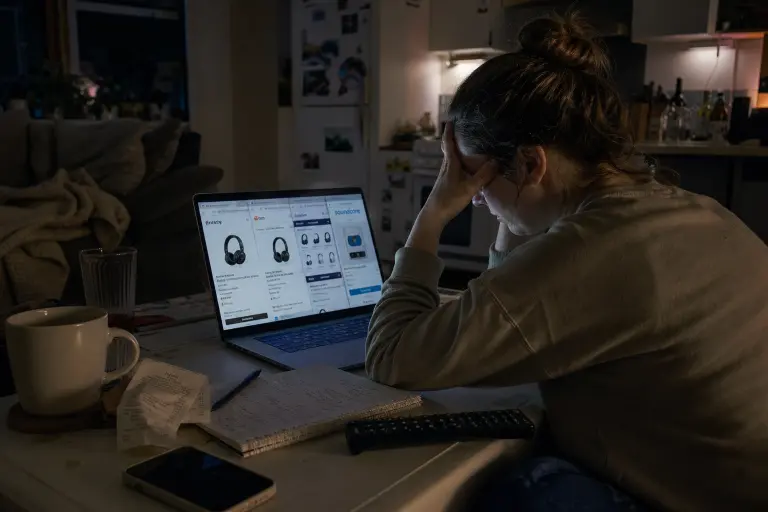
So people develop new behaviors. They abandon carts if checkout takes too long. They complain when two-day shipping becomes three. They expect digital wallets to make payment almost invisible. They let subscriptions decide for them because remembering is another task. They ask AI assistants to summarize reviews because even opinions now require filtering.
Convenience does not remove decision-making. Often, it relocates it.
When did convenience become the baseline?
Human beings adapt quickly to improvements. The first time a ride appears on a phone map, it feels like magic. After a few years, a seven-minute wait feels like bad service. The first time groceries arrive at the door, it feels luxurious. Soon, having to enter the store feels inefficient. The first time a show streams instantly, it feels impossible. Soon, a buffering circle feels insulting.
This is how expectations move. What was once extraordinary becomes normal. What becomes normal becomes required. Then the next layer of friction becomes intolerable.
The cultural signals are already here
TikTok turns discovery into a feed where wanting and buying sit inches apart. Influencer shopping collapses recommendation, aspiration, and checkout into a few seconds. Buy Now, Pay Later stretches payment into the background, making cost feel less like a gate and more like a monthly texture. Subscription fatigue has become its own household chore.
The useful truth
People are not foolish for participating. These systems are useful. They solve real time pressure in households where everyone is busy and attention is shredded. A working parent may need Instacart as infrastructure. A person without reliable transportation may find delivery liberating. A digital wallet can make life easier for someone who used to juggle cash, cards, receipts, and late fees.
Convenience can be dignity.
But when convenience becomes the default value for everything, it starts competing with other values: memory, community, patience, skill, discernment, even pleasure.
That is where the tension lives.
Why are people bringing friction back on purpose?
One of the more interesting turns in modern culture is that people are voluntarily choosing harder things.
Vinyl records keep selling in an age when music is more accessible than at any point in history. Physical bookstores remain beloved even though online ordering is faster. Farmers markets thrive despite higher prices and uneven inventory. Board games have grown in a world of infinite digital entertainment. Journaling, camping, baking bread, repairing clothing, restoring old cars, and craft hobbies have all found new audiences.
Online, trends like Underconsumption Core frame restraint as identity. Digital detoxes promise relief from optimization. Slow living content fills feeds owned by fast platforms. People post about buying less, using what they have, cooking at home, mending, walking, reading paper books, and keeping older objects alive.
Some of this is aesthetic. Some is economic pressure dressed as virtue. Some is backlash against waste. But beneath it is a recognizable hunger: people want contact with processes they can feel.
A vinyl record is less efficient than a streaming playlist. You have to take it out, place it on the turntable, lower the needle, flip sides. That friction is the point. It asks for attention. It turns music from background into activity.
A farmers market is less predictable than a grocery delivery app. The peaches might be gone. The tomatoes might be expensive. You might talk to a person. You might buy something because it looked good in the morning light, not because an algorithm knew your purchase history.
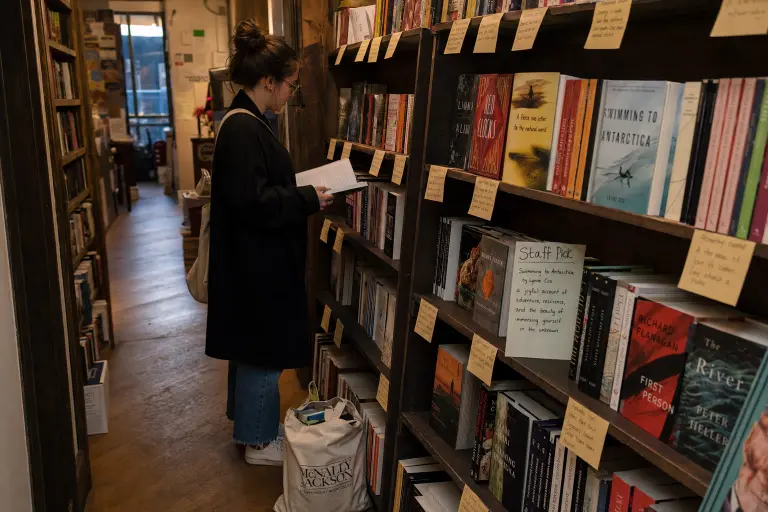
A physical bookstore is slower than a search bar. You cannot instantly summon every title ever printed. But you can drift. You can touch spines, read first pages, notice what another person is holding, overhear a staff recommendation, stumble into a book you did not know you needed.
People call these things inefficient because they are measuring them against fulfillment systems. But maybe fulfillment is not the only function.
Do people actually want convenience?
Yes. And no.
People want convenience when the task has little meaning or when life is already overfull. They want prescriptions filled without phone calls, bills paid automatically, rides that arrive safely, groceries delivered during a sick week, and replacement batteries found without visiting four stores. They want badly designed friction to disappear.
But people do not always want the fastest route through experiences that carry identity, pleasure, or connection.
They cook instead of ordering because chopping onions and smelling garlic in a pan makes the evening feel inhabited. They drive instead of flying because the road trip is part of the vacation. They read physical books because progress has weight in the hand. They restore old cars because the machine resists them and rewards them.
They build furniture, plant gardens, knit scarves, make coffee slowly, and shop locally even when faster options exist. These choices reveal something subtle: effort can be part of satisfaction when the effort feels chosen, visible, and meaningful.
The difference between enriching friction and degrading friction is often control. Waiting in a government office with no information feels powerless. Waiting for bread to rise feels participatory. Driving store to store because a basic item is unavailable feels irritating. Hunting for a rare collectible with a friend can feel like an adventure. Cooking after a brutal workday may feel like labor. Cooking on a quiet Sunday may feel like restoration.
Friction is not automatically good. It becomes meaningful when it connects us more deeply to what we are doing, buying, making, or sharing.
The trouble is that modern systems are not built to distinguish between those forms. They are built to reduce steps, shorten paths, increase conversions, and prevent abandonment. They see hesitation as leakage. They see delay as failure. They see the wandering customer as an inefficient customer.
But a person is not only a customer.
A person is also a maker of stories, a keeper of rituals, a creature of anticipation, a social being, a body moving through space, a mind trying not to be overwhelmed.
What happens when shopping disappears?
Imagine a household forty or fifty years from now. The refrigerator orders groceries before anyone notices the milk running low. Clothing sensors track fabric wear and authorize replacements based on budget, climate, body changes, and personal style history. An AI shopping agent negotiates prices, checks ethics ratings, avoids allergens, schedules delivery windows, and bundles purchases to reduce waste.
Autonomous vehicles deliver items within minutes from local micro-warehouses. Financial systems automatically optimize payment timing, rewards, taxes, and resale value. No one runs out of toothpaste. No one comparison shops for socks. No one forgets pet food. Most routine buying simply happens.
For many categories, this will be wonderful. The future may make daily maintenance less mentally expensive. People with disabilities, caregivers, older adults, remote workers, and overloaded families could benefit enormously from systems that anticipate needs with care and consent.
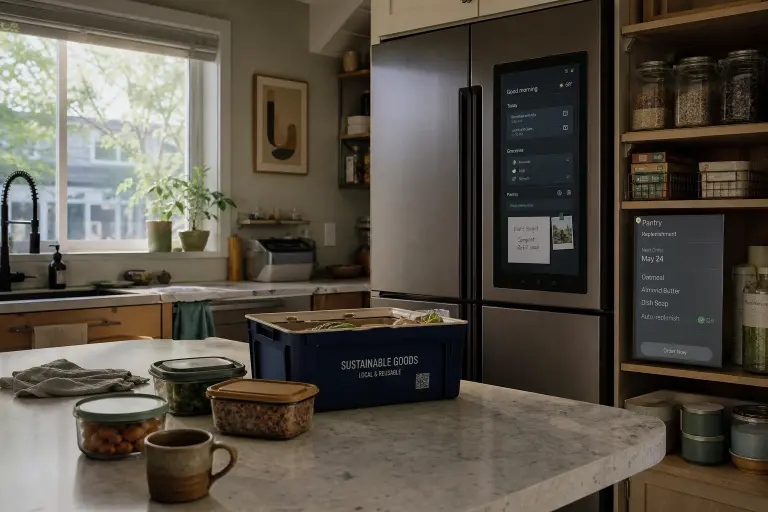
But if buying becomes invisible, shopping may stop being an activity at all. Consumption could become atmosphere. Objects could enter and leave homes with little ceremony, selected by systems that know our preferences better than we can explain them.
That raises uncomfortable questions. What happens to taste if it is constantly predicted? What happens to anticipation when delivery is almost immediate? What happens to self-knowledge when the system knows what we usually choose and quietly keeps us there? What happens to restraint when the easiest purchase is the one we never consciously make? What happens to discovery when everything is optimized around the person we have already been?
The danger is not a future of evil refrigerators. It is a future where convenience becomes so seamless that people lose touch with the moments where desire used to become conscious.
The pause before buying matters. The walk through a store matters. The conversation with someone who knows more than you matters. The irritation of not finding the perfect thing can matter because it forces a question: Do I need this? Do I want this? What am I actually looking for?
A fully frictionless life might be comfortable. It might also be strangely forgettable.
What kind of friction should survive?
The answer is not to make life harder for the sake of it. Artificial inconvenience is insulting. Nobody needs apps that hide cancellation buttons, checkout pages that demand unnecessary information, or stores that understaff counters and call the wait an experience.
The better question is where friction protects meaning.
Optional pauses
Some future shopping systems may need deliberate delay for high-cost purchases, showing what is already owned before adding more.
Better guidance
A helpful AI should not only accelerate buying. It should know when to slow the person down, widen taste, or suggest repair instead of replacement.
Human places
Bookstores, hardware shops, record stores, outdoor gear stores, craft markets, and local grocers already hint at a future where context matters more than speed.
Slow commerce does not have to mean anti-technology. It could mean technology that respects attention. A shopping app might help someone wait twenty-four hours before purchasing nonessential items. A subscription service might ask whether the household still needs the product instead of silently shipping more. A resale platform might make repair easier than replacement. A recommendation engine might include fewer options, better explained.
The future's most valuable experiences may not be the fastest ones. They may be the ones that preserve just enough resistance to keep us awake inside them.
Common Questions About Frictionless Convenience
The small pause we may need again
For thousands of years, humans worked to remove friction from daily life. That effort brought real progress. It saved labor, expanded access, reduced uncertainty, and gave ordinary people powers that once looked impossible.
The point is not to go backward.
The point is to become more precise.
Some friction was a wall. Some was a bridge. Some kept people out. Some brought people together. Some wasted the day. Some made the day memorable.
Shopping shows the pattern because it is so ordinary. A cart, a checkout, a doorstep delivery, a subscription renewal, a recommendation carousel: these small systems reveal how we now move through desire. We have become very good at getting what we want quickly. We are less practiced at noticing whether speed changed the wanting.
Maybe the next stage of progress will not be the removal of every remaining delay. Maybe it will be the wisdom to know which delays deserve removal and which deserve protection.
Because a life without friction may be efficient. But a life with no waiting, no searching, no effort, no accident, no conversation, and no anticipation may begin to lose the rough edges where meaning catches.
the1tapani
Jun 2, 2026Good stuff!