When Not Buying Became the New Trust
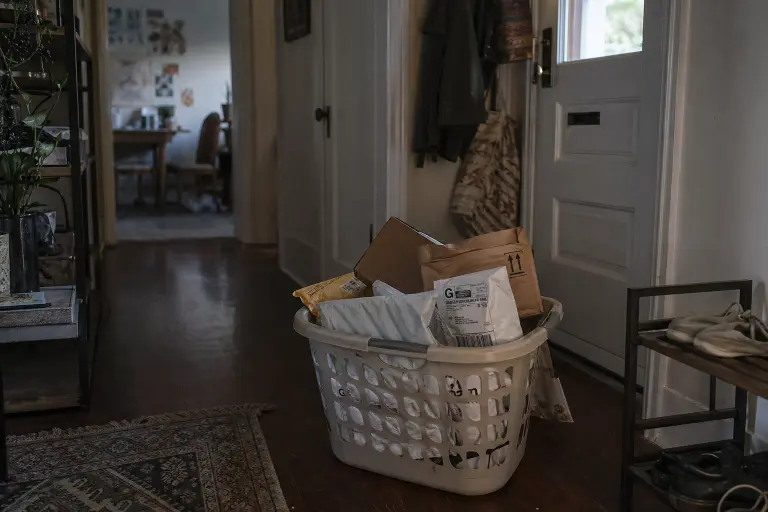
Mara used to keep a basket by the front door for returns. Over time, that basket started to feel less like clutter and more like a record of how the internet had taught people to want things too quickly, and to doubt themselves too late.
Mara's return basket sat by the door like a second inbox: padded mailers, half-crushed boxes, and the everyday evidence of purchases that had seemed right in the moment. A serum that promised glass skin and left her cheeks burning. A beige organizer that looked calm in a video but could not hold the things she actually owned. A countertop ice maker that made the kitchen sound like a printer choking in another room.
None of those buys felt foolish when she made them. They arrived wrapped in a small rush of belonging. Someone with good lighting and an easy voice said, I did not know I needed this until I tried it. Someone else opened a drawer and revealed rows of color-coded order. Another whispered, run, do not walk, and for a few seconds the urgency felt like a door opening toward a better version of life.
What changed first?
Not taste. Not aspiration. The rhythm changed. The recommendation, once intimate, started to feel like weather: always moving in, always moving on, always asking for a faster answer than trust could give.
When did shopping start to feel like being managed?
In the early years of influencer shopping, the attraction was not simply the products. It was the access. A stranger on YouTube showed the contents of her makeup bag in a way a magazine never could. A blogger photographed a dress on a body that bent and sat and walked down an ordinary street. A young father on Instagram explained which stroller actually fit into a small apartment hallway.
There was a democratic thrill in that. The old gatekeepers of taste had stiff voices and glossy sets. Influencers had laundry in the background. They filmed in bedrooms, answered comments, used the blender, wore the coat, opened the laptop, packed the diaper bag, and restocked the fridge.
People trusted them because they seemed to live near the product, not above it.
For a while, that proximity changed how people discovered almost everything. Teenagers learned which acne patches worked before asking a dermatologist. Renters bought peel-and-stick tiles after watching someone transform a kitchen overnight. Men who had never cared about skincare began using sunscreen because a funny creator made it feel less like vanity and more like maintenance.
Why did hype culture become so tiring?
Hype thrives on the fear of missing out, but it also depends on freshness. The first viral water bottle feels like a discovery. The fourth feels like a costume change. The first clean beauty brand sounds like a correction. The tenth begins to resemble a label looking for a shelf.
By the mid-2020s, many people were living inside homes cluttered with evidence of past urgency. Air fryers beside rice cookers beside blender systems with attachments still wrapped in plastic. Drawers full of lip oils in nearly identical shades. Storage bins purchased to contain the consequences of previous purchasing.
This fatigue showed up culturally before it showed up economically. The de-influencing trend on TikTok was one early signal. Creators began filming videos about what not to buy: the viral foundation that clung to dry patches, the luxury candle that tunneled, the trendy desk chair that looked sculptural and hurt by lunchtime. Viewers discovered a new pleasure in refusal.
Current signals
- De-influencing videos that recommend less, not more
- Reddit threads that judge products after months of use
- Underconsumption content showing repaired, worn, and kept objects
The pandemic years also changed the meaning of home. People bought things to soothe, to adapt, to survive boredom, and to make work possible. When life widened again, the house was full of almost-right solutions.
How did skepticism become self-protection?
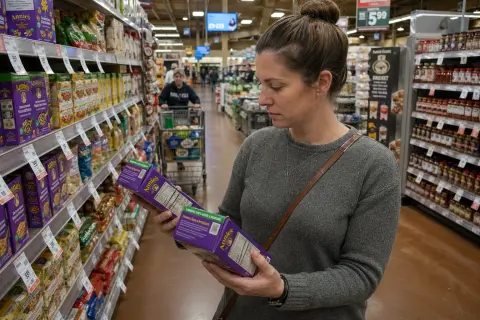
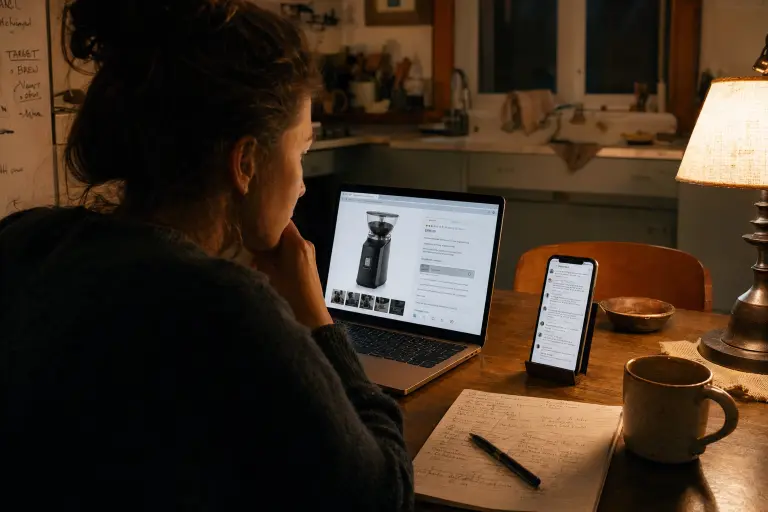
A modern shopper does not always say no dramatically. More often, refusal happens in tiny pauses. Someone sees a creator praise a new hair tool and opens the comments before the product page. Someone screenshots a jacket, then waits two weeks to see if the desire survives. Someone types the product name next to words like honest review, regrets, dupe, broke, or not sponsored.
The active choice not to buy has become a skill. It requires people to notice how persuasion feels in the body: the quickened pulse, the imagined future self, the sense that life would become smoother if the object arrived. Those feelings are not fake. They are simply incomplete.
Mara's small defense
Mara began keeping a list called Want, Not Yet. Anything recommended online went there first. Some items disappeared because she forgot why she wanted them. Others stayed for months and became more interesting with time. A few she bought, and those purchases felt different. Less like being swept up, more like choosing with both feet on the ground.
Her friends built their own defenses. One refused to buy anything linked in the first 48 hours of a viral wave. Another searched for negative reviews before positive ones. In group chats, the old question should I buy this? often received a new answer: wait.
What does honesty sound like now?
Less glamour, more context
A creator saying I love this product is no longer enough. People want to know what kind of person it serves, what it fails at, and whether the enthusiasm survived the payment.
Drawbacks without costume
The most trusted voices now sound restrained. They admit when a recommendation only works for certain hair textures, certain budgets, certain homes, or certain lives.
Advice that risks reducing desire
A woman shows the five pieces of clothing she wore all month. A mechanic explains what is expensive to repair. A parent says the toy was ignored after two days, but the cardboard ramp from the shipping box lasted all winter.
What might shopping look like when restraint becomes the signal?
Forty or fifty years from now, the grandchildren of today's shoppers may find the old influencer era both charming and exhausting. By the 2070s, recommendation will not disappear. Human beings have always asked one another what works. The change will be in the cost of speaking.
In a world of mature ambient commerce, household systems can order supplies, clothing can report wear, appliances can negotiate repairs, and personal AI agents can filter most offers before a person sees them. Promotion will have to become quieter to survive.
A small scene from 2074
Imagine a city apartment where the bathroom mirror does not flash ads. It keeps a maintenance ledger instead. It knows the water filter has four weeks left, knows the resident's skin reacted badly to a formula in March, and can recommend only when asked.
Every suggestion carries a trust history: who benefits, what data was used, how long comparable households kept the item, how many returned it, how many repaired it, and whether the system has withheld similar recommendations before.
What becomes valuable then?
Withholding becomes part of the record. A trusted agent is not the one that finds the most things to buy. It is the one that prevents unnecessary acquisition. It says, your current shoes have another 300 kilometers in them. It says, this fabric will not breathe well in your climate. It says nothing at all when silence is the better service.
How does status change?
In the 2020s, the flex was often access: I got it first, I have the limited drop, I know the code. By the 2070s, the flex may be discernment: I kept this for twenty years, I did not upgrade when the upgrade was cosmetic, my home system blocked 83 percent of low-fit offers last year.
Why would companies accept a world with less persuasion?
They may not accept it willingly. Most industries built around growth do not surrender urgency because people feel tired. But fatigue becomes market pressure when enough people change behavior. Returns are expensive. Waste is visible. Regulatory attention grows when recommendation systems blur into manipulation.
Brands that survive in a restraint-based trust economy will have to tolerate slower conviction. They will need products that can withstand delayed purchase, secondhand scrutiny, repair communities, and long-term public memory. A product that depends on a three-day hype cycle will struggle when personal agents automatically delay purchases and compare real durability records.
The quiet power of not buying
One evening, Mara walked past the return basket and realized it was empty. Not because she had achieved perfect discipline, but because fewer things were entering the house on borrowed excitement. Her rooms had not become sparse or morally superior. They were still lived in. But the objects around her had begun to feel less like interruptions.
She had bought a lamp after wanting it for seven months. She had repaired the vacuum instead of replacing it because a stranger in a forum explained the exact screw that usually loosened. She had ignored three viral bags and kept carrying the one with the fraying strap because it still held her life well enough.
People are not only distrusting influencers. They are trying to trust themselves again in environments designed to interrupt that trust. They are learning that wanting something does not require immediate obedience.