The Quiet Confidence of the Store Brand
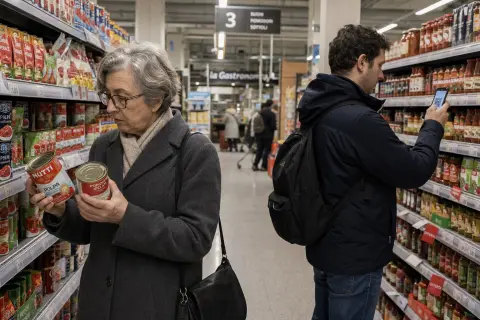
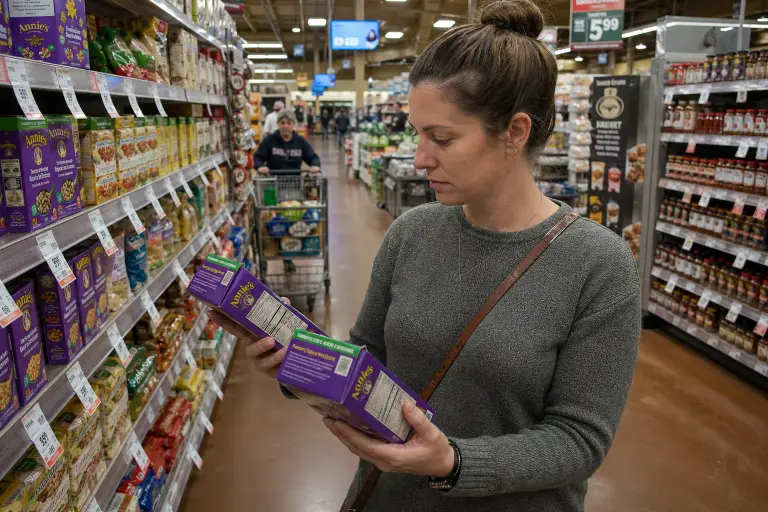
There is a small ritual happening in grocery aisles and warehouse clubs everywhere: a hand pauses between a national brand and the store version beside it, then turns both packages around. The decision is no longer about nostalgia alone. It is about proof.
That back-of-package comparison has become the new moment of truth in American retail. Ingredient lists, serving sizes, active ingredients, counts, ounces, grams, and whether the chocolate chips look generous through the window now carry more weight than the old jingle from childhood. In that quiet review, store brands like Kirkland Signature, Good and Gather, Up and Up, and Great Value have moved from backup choices to everyday trust.
It did not happen all at once. Trust rarely does. It built itself in repeated Tuesdays, in bulk coffee that tasted the same every morning, in diapers that did not leak, in frozen fruit that made the same smoothie for less. It built itself in the moment a parent realized Target baby wipes were dependable, or when a Costco member began talking about Kirkland olive oil with the seriousness once reserved for wine.
Why did shoppers stop treating store brands like second best?
For decades, generic products carried a social smell. The plain white box, the bargain cereal, the joyless medicine bottle all implied necessity rather than preference. Buying generic often meant admitting you had to.
That old meaning depended on a world where branding had the loudest voice in the room. Television defined quality. Logos acted as promises because shoppers had fewer tools to verify them. A detergent ad could feel more convincing than the small print on the bottle.
Now the shopping brain lives in comparison mode. People compare rent, insurance, streaming subscriptions, and oat milk. They scan reviews for a $12 purchase. They watch strangers on TikTok cut open sponges, test paper towels, and rank protein bars like a sport.
Why did private label become a financial and emotional win?
Inflation made the grocery receipt feel like a mood board of pressure. Families who once barely noticed the cost of mayonnaise or cereal began noticing everything. Name-brand increases, shaped by supply chain strain and broader pricing power, created a gap large enough for private label to step through.
Consumer surveys from NielsenIQ, Circana, and the Food Industry Association have repeatedly shown rising willingness to buy store brands, with shoppers citing improved quality, better value, and frustration with national brand prices. The language has shifted from I have to buy this to I actually prefer this.
That change matters because saving money can feel like deprivation when the substitute disappoints. Saving money on something that works feels like competence. It turns the shopper into the hero of the household budget.
The private label win is not simply that it is cheaper. It is that it lets people feel smart without feeling punished.
How did Costco make a store brand feel like membership culture?
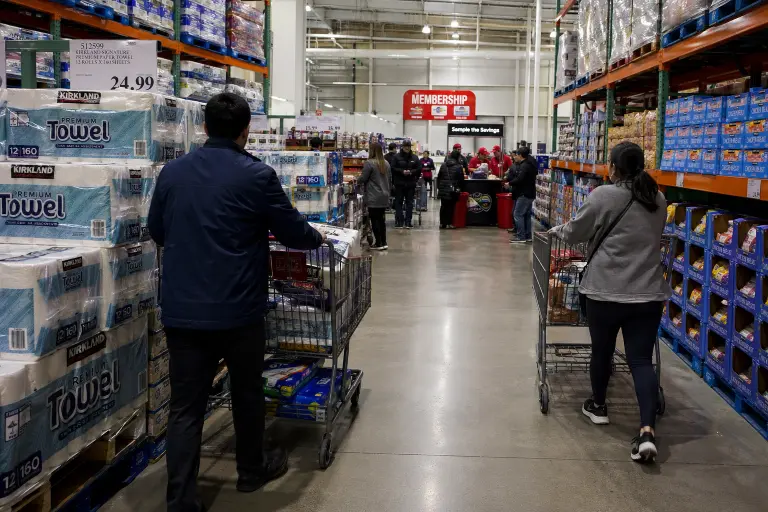
Kirkland Signature is one of the clearest examples of private label becoming a trust system rather than shelf filler. Costco made its store brand feel less like imitation and more like an endorsement. The name is plain, almost civic, borrowed from the Washington city where Costco once had headquarters.
There is no cartoon tiger or forced lifestyle language. Its strength comes from the sense that Costco itself has put its reputation on the line. For members, Kirkland is part of the bargain, sealed somewhere between the rotisserie chickens, free samples, and the receipt checker at the door.
What shoppers say
People do not just buy Kirkland batteries or laundry detergent. They report back. They debate the vodka, the coffee, the dog food, the paper towels.
What the brand means
In many households, Kirkland has become shorthand for practical abundance: large, reliable, not too precious, probably a good deal.
Why do Target's private labels feel different from old generics?
Target understood that the package matters, but not in the old way. Good and Gather, Up and Up, and the broader owned-brand world do not look like apology products. They look designed. The colors are calm. The language is clear. The shelves feel edited.
A bag of Good and Gather frozen vegetables or granola does not ask to be excused for being cheaper. It asks to be recognized as part of how modern households actually eat: quickly, flexibly, with a mix of aspiration and fatigue.
Up and Up has become familiar in bathrooms and medicine cabinets because it lives in categories where performance can be judged fast. Does the bandage stick? Does the ibuprofen help? Does the soap refill fit? Good and Gather entered kitchens when shoppers wanted food that felt current without carrying a specialty-store price.
This is not old generic behavior. The old generic whispered, this will do. The new store brand says, this fits your life.
Target's strength has long been emotional convenience. People go in for toothpaste and leave with storage bins, trail mix, socks, and a seasonal candle they did not plan to buy. Its private brands benefit from that atmosphere.
How did Walmart turn value into something shoppers could defend?
Great Value carries the blunt promise in its name. For a long time, that bluntness made it easy to dismiss. But Walmart's scale gives its store brand a kind of democratic gravity. In towns and suburbs where Walmart is not just a store but the store, Great Value is woven into everyday eating.
Its rise is tied to the basic reality that millions of households make food decisions under pressure. They stretch paychecks, plan school lunches, cook around shift work, and weigh whether the kids will actually eat what is bought. If a Great Value pasta sauce, yogurt, flour, or shredded cheese delivers reliably at a lower price, it earns trust by helping the week work.
What shoppers are really comparing now
- Are the ingredients similar?
- Is the protein content the same?
- Does the active ingredient match?
- Does the trash bag tear?
- Is the unit price actually lower?
- Did someone online already test this?
What changed in the shopping brain?
The modern shopper is less logo-blind than logo-skeptical. They still have favorites. They still want the ketchup, the dish soap, the cereal, the detergent they know by scent or habit. There are categories where switching is hard because memory and texture matter.
But the default has changed. Shoppers now approach the shelf with practical questions. Social media has sharpened that skepticism. De-influencing videos ask whether a cheaper version does the same work. Grocery hauls have become public accounting. A pantry stocked with store brands can signal discipline, not shame.
Ingredient literacy also changed the equation. Once shoppers realize the active ingredient is identical, or that the ingredient list is nearly the same, the mystique weakens. Performance categories become easier to switch. Food categories follow more slowly because taste is personal, but even there, people are experimenting.
A small but important shift
The pandemic broke habits when familiar products disappeared from shelves. Some shoppers discovered they did not miss the old brand as much as they thought. Inflation made those new habits stick.
Research firms have tracked private label growth across grocery, household goods, and health categories, and the reasons are remarkably ordinary: better quality than expected, national brands that cost too much, and store brands that now satisfy the job they are hired to do.
Why does consistency matter more than image?
The private label brands gaining trust are not just cheaper. They are increasingly consistent. That is the quiet engineering behind the cultural shift. Retailers know their names are exposed every time a shopper opens the product at home.
A bad batch of cereal or a flimsy paper towel is not just a failed item. It damages the store's promise. This is why retailer brands have improved in sourcing, packaging, quality control, and category strategy.
What the shopper feels
The coffee tastes right at 6:20 in the morning. The trash bag fits the can. The granola bar does not melt in the backpack. The diapers last through the night.
What the store gains
A strong private label can keep shoppers returning, give retailers leverage with suppliers, and create distinction in a market where many stores sell the same national brands.
What happens 40 to 50 years from now if logos matter less?
Imagine a grocery trip in the late 2060s. It may not look as futuristic as people expect. There will still be carts, children asking for snacks, and someone comparing tomatoes. The human parts of shopping are stubborn.
But the layer of decision-making around products will be different. A household assistant built into the kitchen wall or woven through a family's devices will know which paper towels lasted longest, which almond butter separated too quickly, which detergent irritated someone's skin. It will reorder based on observed performance, price stability, dietary needs, carbon rules, and household preference.
Packaging may carry fewer dramatic brand signals and more verification marks: freshness history, allergen confidence, sourcing ledgers, household use scores. Retailer brands could become less like labels and more like operating systems for consumption.
Brand identity will not disappear. Humans like symbols too much. But the center of gravity may shift from telling people who they are to proving, repeatedly, that a product can be trusted in the background of life.
The future battle may be fought in the household record: did this work, did it last, did it arrive, did it cost what it should, did anyone complain?
Common questions about store brands and private label trust
The quiet end of generic shame
The story of private label is not really about cheaper cereal or warehouse-sized olive oil. It is about a change in authority. For a long time, brands told shoppers what to trust. Now shoppers are assembling trust themselves, one comparison at a time.
The old generic aisle was built around absence: no name, no glamour, no choice. The new private label shelf is built around evidence. It says, try me, compare me, come back if I worked. That is a humbler kind of branding, and maybe a stronger one.
In kitchens, bathrooms, laundry rooms, dorm rooms, break rooms, and garages, the shift is already visible. Not dramatic. Not ideological. Just a hand reaching for the store brand first because last time it was fine, and the time before that it was good, and now the familiar logo beside it feels less like certainty than habit.
That is how trust changes. Quietly. Repeatedly. On sale sometimes, but not always. In the cart before anyone has a speech for it.