The Little Treat and the Future of Feeling Okay
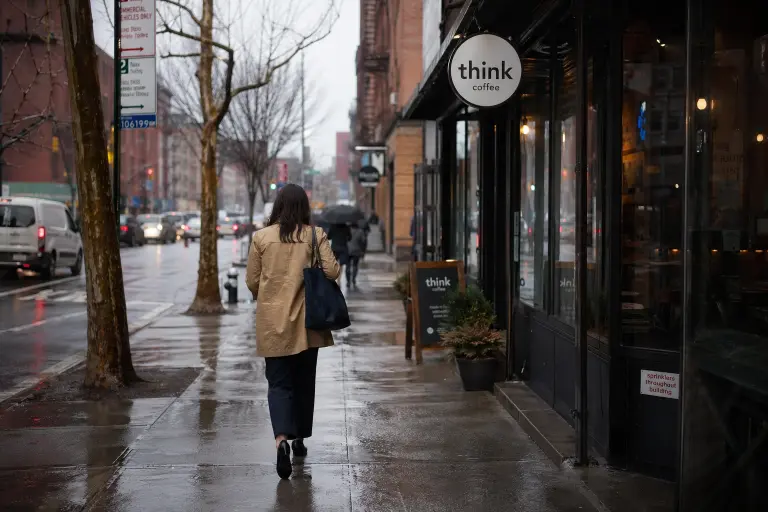
On a wet Tuesday afternoon, Maya walks three blocks for an iced coffee she does not need, and in that small errand lives a larger story about pressure, comfort, and the strange new economy of getting through the day.
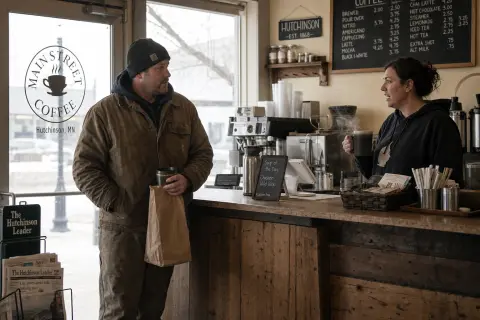
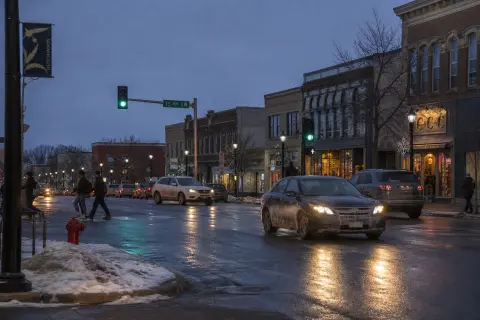
On a wet Tuesday afternoon, when the office lights have started to feel less like light and more like a suggestion to keep going, Maya walks three blocks for an iced coffee she does not need.
She already had coffee at home. There is a half-used tin of ground beans in her kitchen, bought with the good intention of becoming someone who saves money in small, disciplined ways. There is also coffee in the break room, watery but available. Still, at 2:17 pm, she puts on her coat, joins the elevator silence, and steps into the thin city rain. By the time she reaches the cafe, she has already decided the drink is not a drink. It is a reset.
A small, cold border between the first half of the day and whatever she has to survive after it.
What makes the little treat feel so necessary?
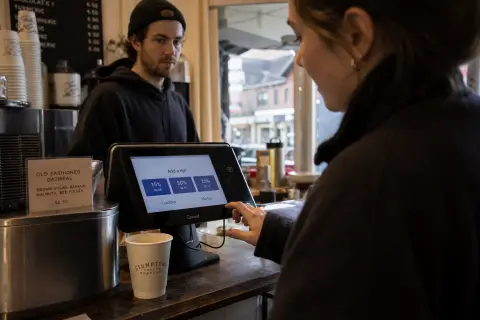
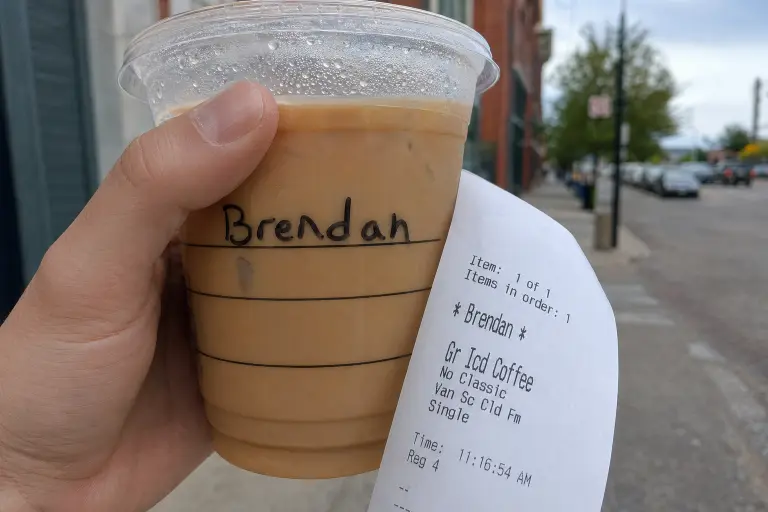
The barista knows Maya's order because the order rarely changes. Oat milk, extra ice, maybe vanilla if the morning was especially sharp. It costs more than it used to. The screen turns toward her with the tip options, the total glows, and she taps without thinking too long. The cup arrives with condensation on the plastic lid, her name slightly wrong in black marker, and for the next five minutes she feels handled by the world in a kinder way.
Why did this tiny ritual become a cultural language?
This is the little treat in its natural habitat. Not luxury exactly. Not necessity. Something smaller, blurrier, more emotionally precise. A pastry eaten standing at the kitchen counter after a bad meeting. A lip balm tossed into an online cart at midnight. A candle from a discount home store, bought because the apartment feels unfinished and so does life.
I am still here. I got myself something.
What the economy changed about reward
The little treat has become one of the clearest consumer rituals of our age because it makes sense in a world where larger milestones feel delayed, overpriced, or out of reach. It is not that people stopped wanting the big things. They still want homes, travel, weddings, children, savings accounts that do not feel like imaginary furniture.
But when rent rises faster than wages, when mortgage rates turn adulthood into a locked door, when groceries behave like luxury goods, the scale of reward changes. The future gets expensive, so the present gets accessorized.
That shift is not abstract. It shows up in checkout totals, in the language people use to justify a pastry, and in the quiet awareness that a small pleasure can feel more realistic than a large dream.
Current cultural signals that explain the mood
A joking way of reframing purchases until they feel almost free, or at least emotionally justified.
Tiny mood boosts listed like options, because low-energy days need a script.
Ease framed as resistance to burnout, even when ease itself has to be purchased in pieces.
A countercurrent that asks people to pause before buying, revealing how aware they already are.
Why do small purchases feel bigger than they are?
A little treat works because it compresses several emotional needs into one simple action. It offers choice, sensory pleasure, ritual, and completion. You can want it, get it, hold it, consume it, and be done. In lives crowded with ambiguous tasks and problems that do not resolve, this matters.
Many modern stresses are not dramatic enough to justify collapse, but they accumulate. The unread message. The delayed train. The medical bill that arrived after insurance. The apartment application fee. The parent who needs help. The app that tracks your spending while making you feel watched by your own future. Against this, a small purchase becomes a rare event with clear edges.
You enter the store. You choose the thing. You pay. It becomes yours.
What happened to self-care when it became something you could hold?
Self-care began as a more radical idea than many people remember. It was about survival, community, health, and the right to tend to oneself in systems that did not tend back. Over time, the market softened it into products: bath salts, journals, skincare, teas, weighted blankets, supplements, scented everything.
Some of that shift was cynical. Some of it was inevitable. People live through bodies. Bodies respond to texture, smell, warmth, flavor, weight, and routine.
The risk in turning every feeling into a purchase
The danger comes when treats are asked to do too much. When every hard feeling must be managed through buying something, consumption becomes less like pleasure and more like medication without a prescription. Bad email, buy. Bored, buy. Sad, buy. Celebrate, buy. Wait, buy. The emotional range narrows until the first response to discomfort is a transaction.
What the future of the little treat might look like
By the late 2060s or early 2070s, the little treat may no longer be little in the way we understand it now. It may be woven into systems that read mood, predict stress, and offer comfort before a person consciously asks for it.
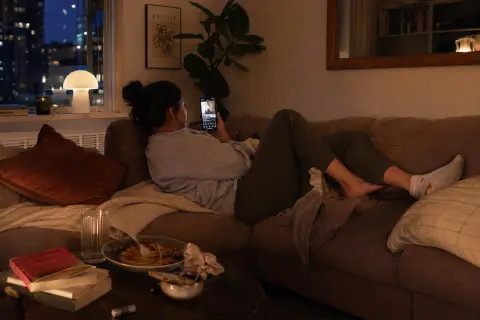
Imagine a city apartment in 2071, compact and adaptive, with walls that shift tint according to heat and privacy. A person named Eli wakes after a night of shallow sleep. Their home system has already noticed the broken sleep pattern, the elevated heart rhythm, the shorter replies sent the previous evening.
The kitchen suggests a calming breakfast profile. On the commute, a wearable senses rising stress as transit delays ripple through the network. A neighborhood kiosk offers micro-restoratives: a scent tab, a warm hand wrap, a five minute immersive sound field, a snack printed with nutrients adjusted to cortisol patterns.
The likely signals already visible today
- Wearables that track sleep and stress
- Apps that recommend meditation and mood support
- Food delivery platforms that learn cravings
- AI companions that respond to emotional language
- Buy-now-pay-later services that split desire into smaller payments
- Personalized ads that arrive with unnerving timing
Can a little treat be more than consumption?
The most hopeful version of the little treat is not a future where every feeling is matched to a purchase. It is one where people become more fluent in small forms of care, including the ones that cannot be sold.
A treat can be bought, but it can also be made, shared, delayed, noticed. The first strawberries of the season eaten over the sink. A library book picked up on the way home. A walk through a neighborhood with no errand attached. A song played loudly in the car before going inside. A cup of coffee brewed slowly at home, not because austerity won, but because attention did.
The little treat trend reveals that people are hungry for moments that feel intentional. The market sees the purchase. The person often wants the feeling around the purchase: permission, relief, beauty, novelty, control, comfort, a break in the script.
The question underneath all of it
Does it expand life, or merely patch it? Does it create a pause, or does it hide the absence of one? Does it connect you to your senses, your city, your friend, your own generosity toward yourself? Or does it leave you briefly soothed and then emptier, reaching again?
Why Maya's coffee matters more than it should
Maya, back at her desk, knows none of this in such formal terms. She only knows the cup is sweating onto a napkin and the afternoon feels a little less impossible. Her inbox is still full. Rent is still due next week. The future has not opened like a gate. But for a few minutes, the coffee is cold and sweet, and the straw makes a small clicking sound against the lid, and she has arranged one manageable pleasure inside a day that did not offer many.
That is the truth of the little treat. It is both symptom and solution, both joke and ritual, both economic compromise and emotional technology. It tells us that people are adapting to pressure by shrinking reward to a size they can hold. It tells us that comfort has become portable.
In the coming decades, the little treat may grow more personalized, more automated, more entangled with the systems that watch and guide us. But its current form is still beautifully human in its imperfection: a muffin after a hard appointment, a coffee before a long shift, a tiny bottle of nail polish because the week needs color.
Common Questions About the Little Treat Trend
What survives the trend
A little treat may begin as a purchase, but it survives because it answers a deeper human question: how do we keep going on ordinary days when nothing is dramatically wrong and yet nothing feels easy? The answer, for now, is often small, cold, sweet, and held in one hand.